

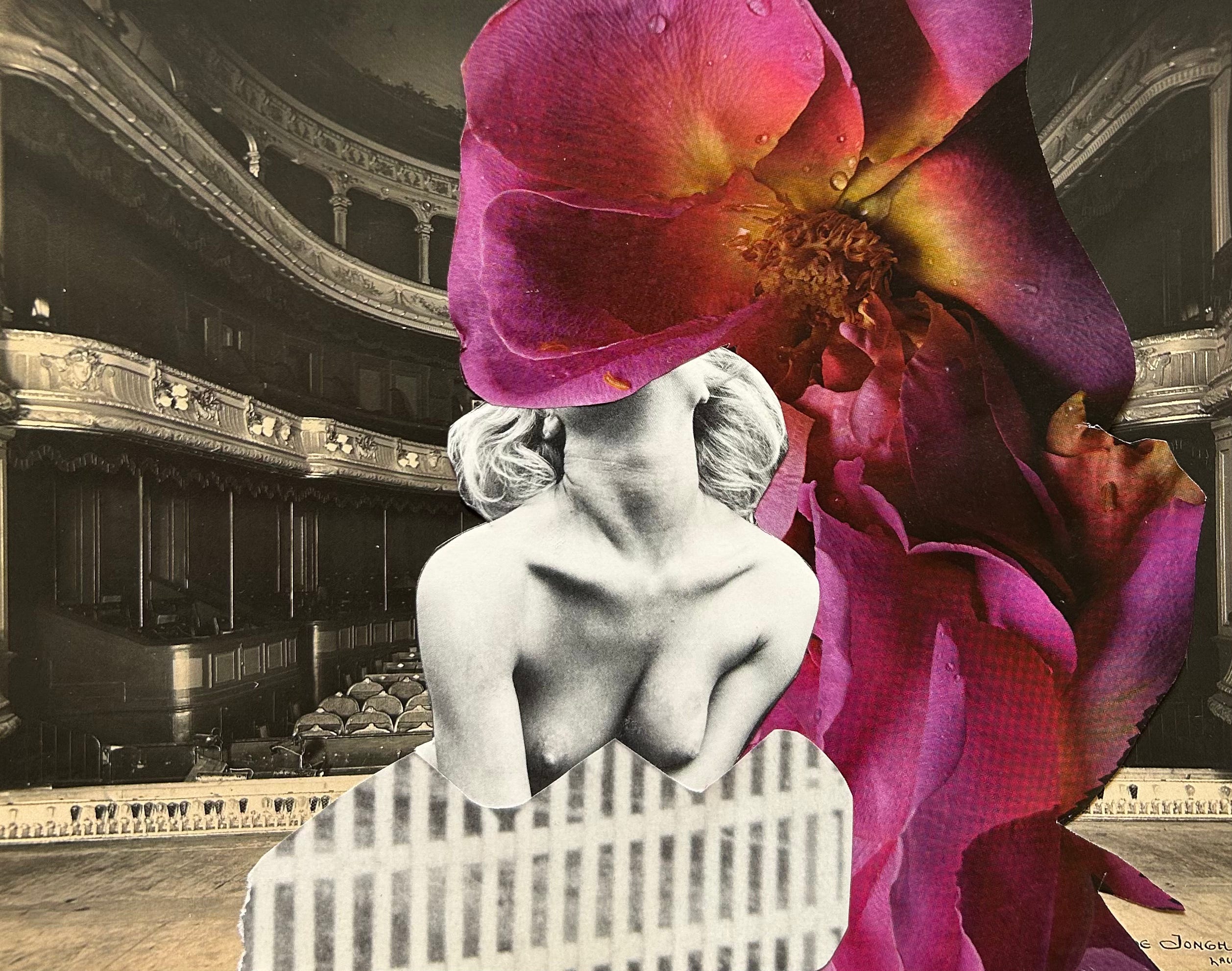
I recently came across a short article in a daily newspaper stating that the nightclub scene is dead. No one is out clubbing anymore. Where entrances used to be roped off and the line controlled by omnipotent doormen, you can now walk right in, if it’s open at all. The article trailed off into generic talk of lowered alcohol consumption et cetera and left it at that, and sure, that might play a role but it gets everyone off the hook too easily.
Everything is curated now. A curated wardrobe, a curated feed, a curated life. Instead of simply meeting, eating and getting drunk, possibly rubbing ourselves against a random stranger on a dance floor, every social context is either ticketed, hosted, sponsored, or algorithmically filtered. Nightlife has been privatised upward, leaving public clubbing as a dead middle ground between the exclusive and the domestic. The curation is both identity performance and gatekeeping simultaneously, and the word implies a curator, someone with knowledge and authority making considered choices. We have created algorithms so specific they can predict who you want to meet before you walk in the door. Serendipity is inefficiency, so the algorithm simply replaced the accidental encounter. The gatekeeper is no longer the beefy doorman, it’s an algorithm that excluded you long before you even left your house.
I remember going out in my early twenties and ending up in conversations so random they would likely cause instagram’s algorithm to implode. One time I struck up a conversation with a very attractive guy I recognised from university campus. 90s gym bro. Very attractive. He wore a beeper on his belt (that was a thing back then, don’t judge) and when I asked him what he was waiting for, he proceeded to tell me in detail about his avid bird watching hobby. He was waiting for fellow bird watchers to alert him to a rare bird sighting, at which he would drop everything and run. He wasn’t drinking vodka straight, it was tap water. Can anyone still deal with this level of unexpected topics of conversation? The attraction stopped at that bar, but the fact that I still remember him more than 25 years later is telling. These days everyone in your cohort is so deceptively familiar you forget them as soon as they leave the room. The result of curating the shit out of every level of existence.
The question is who decides what’s curated and what gets left out. Obscure Swedish poet Carl Snoilsky wrote this in 1881:
I do not hawk my heart's delight and pain
To be creased by unfamiliar hands.
My fantasy sends you bright playthings,
But the sanctuary of feeling is never for sale.

If you don't turn your back on me at once,
Come into my park. It is so dark and cool.
Walk among flowers from southern lands
And see the sculptures around my gate.

But over the threshold I will not lead you.
Only the petrified doorkeeper may have ears
For the shy guests of fragrance and light.

You press me — very well, one word I call out,
That sweeps castle and park away in an instant,
And what you see is whirling sand and gravel.
We like to think we’re the ones with the key. The gate stays shut, the garden stays ours, we remain in control of what gets seen and what doesn’t. That’s the chimera the curated feed runs on.
“Then she heard, quite by chance, that Paul had returned to England for leave and had been here already for two weeks. On the night of the day she heard this news, she found herself dressed and made-up, her hair carefully done, standing at the window looking down into the street, and waiting for him. She waited until long after midnight, thinking: His work at the hospital might easily keep him as late as this, I mustn’t go to bed too early, because he’ll see the lights are out, and not come up, for fear of waking me. She stood there, night after night. She could see herself standing there, and said to herself: This is madness. This is being mad. Being mad is not being able to stop yourself doing something that you know to be irrational. Because you know Paul will not come. And yet she continued to dress herself and to stand for hours at the window, waiting, every night.”1
Anna dresses, does her hair, stands at the window, curating herself for an audience that has already left. The archive of the self keeps running even after the curator departed. Ghosting is the modern version of Paul not coming. No formal ending, just the lights going out on their side while you keep standing at yours. The particular cruelty of ghosting is that it doesn’t close the window. It leaves the person dressed and waiting, unable to stop because there was no signal that the waiting was over. Anna can see herself standing there. She narrates her own performance. That double consciousness, watching yourself curate for an absent audience, knowing it is irrational, being unable to stop. The post goes up. The archive is maintained. The window stays lit. The self-presentation has been automated, it no longer requires a specific audience to continue.
Curation is always performance, whether we’re aware or not. We stopped making deliberate choices and are all performing for an audience that is also performing for us. Prada’s SS2025 featured accessories with concert crowds printed on them. At the show, Miuccia Prada said “basically it seems that we are directed by algorithms, so anything we like and anything we know is because other people are instilling it into us.” Miuccia has been making this argument for years, the frozen concert images on bags and sunglasses was just the most literal version yet. It works because the algorithm doesn’t ask whether something is true, only whether it performs its function and gets its effect. We’ve curated ourselves into an empty, lonely corner, throngs of people printed on our accessories, clean and permanent, non-compatible with sweaty, dirty crowds.
I was woefully incompetent at being a 90s detached bitch back in the day. But I got there in the end. I’ve curated a cool, composed version of myself, I resist being legible and accessible to others, it’s my shield against the world. I am poised and untouchable. You can’t embarrass me, I’ve preempted any attempt with posed indifference. Or so I thought. Turns out I care more about presenting the image I think will make me interesting to you than what made you interested in me in the first place. Much like the gatekeeper in the poem, I control the access so tightly that pressing for entry destroys the garden.
What they get is the gate. What you’re left with is the gate. And eventually even you can’t remember what was growing on the other side.
Doris Lessing, The Golden Notebook (1962)